North Eco Park Disc Golf Course Faces Uncertain Future

By Peter Zinn, The Canby Chronicle
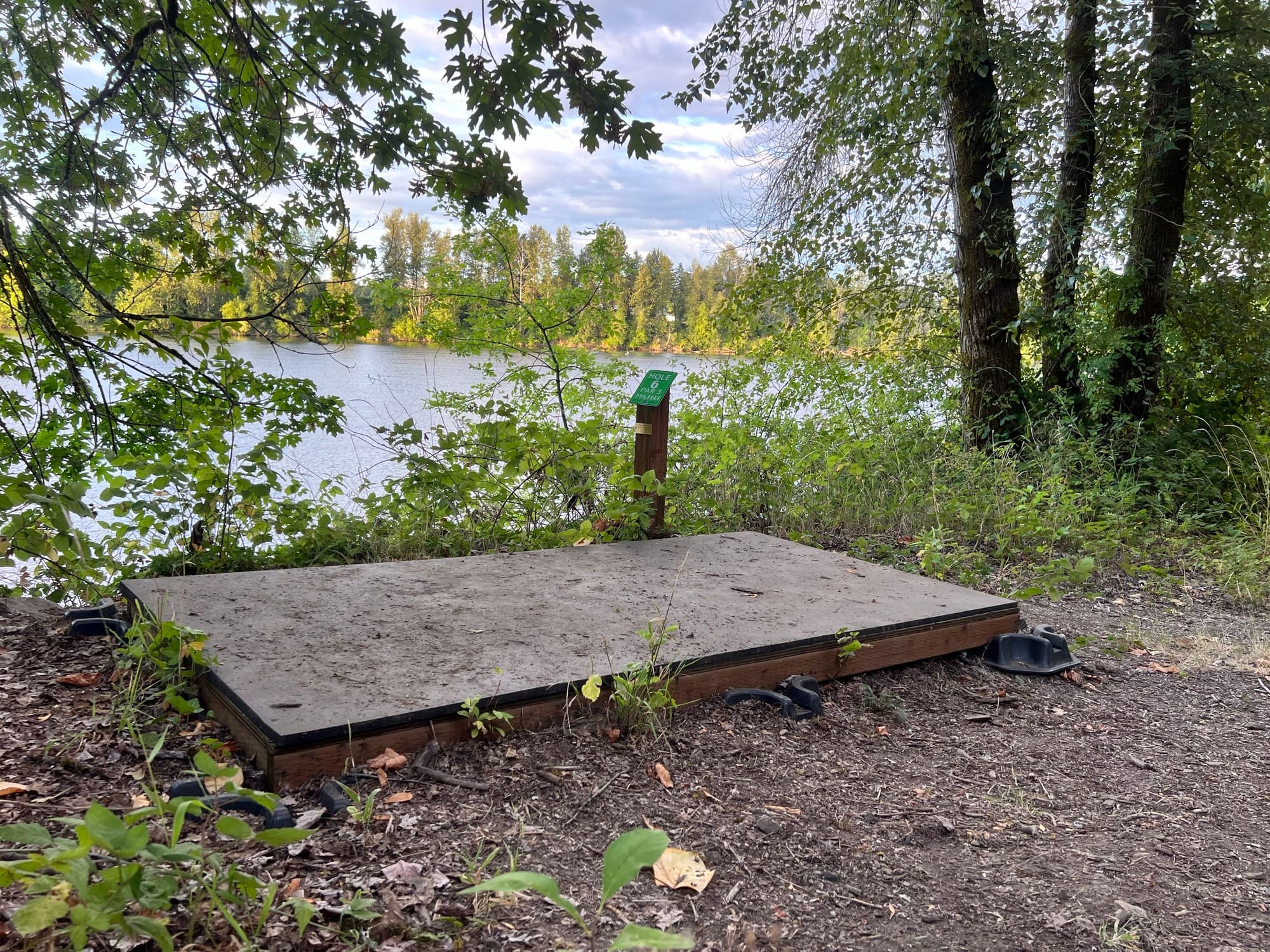
According to Canby Tourism, the disc golf course at North Eco Park is “designed with the beginner to intermediate level golfer in mind. Eco Park is a moderately wooded course with well-defined fairways and enjoyable greens.” Designed by Ryan Gwillim and Steve Carson, the course was developed in 2012 and funded by the City of Canby. Featuring twelve holes, some along the scenic Willamette River, the course takes about an hour to play for a small group, according to regular players.
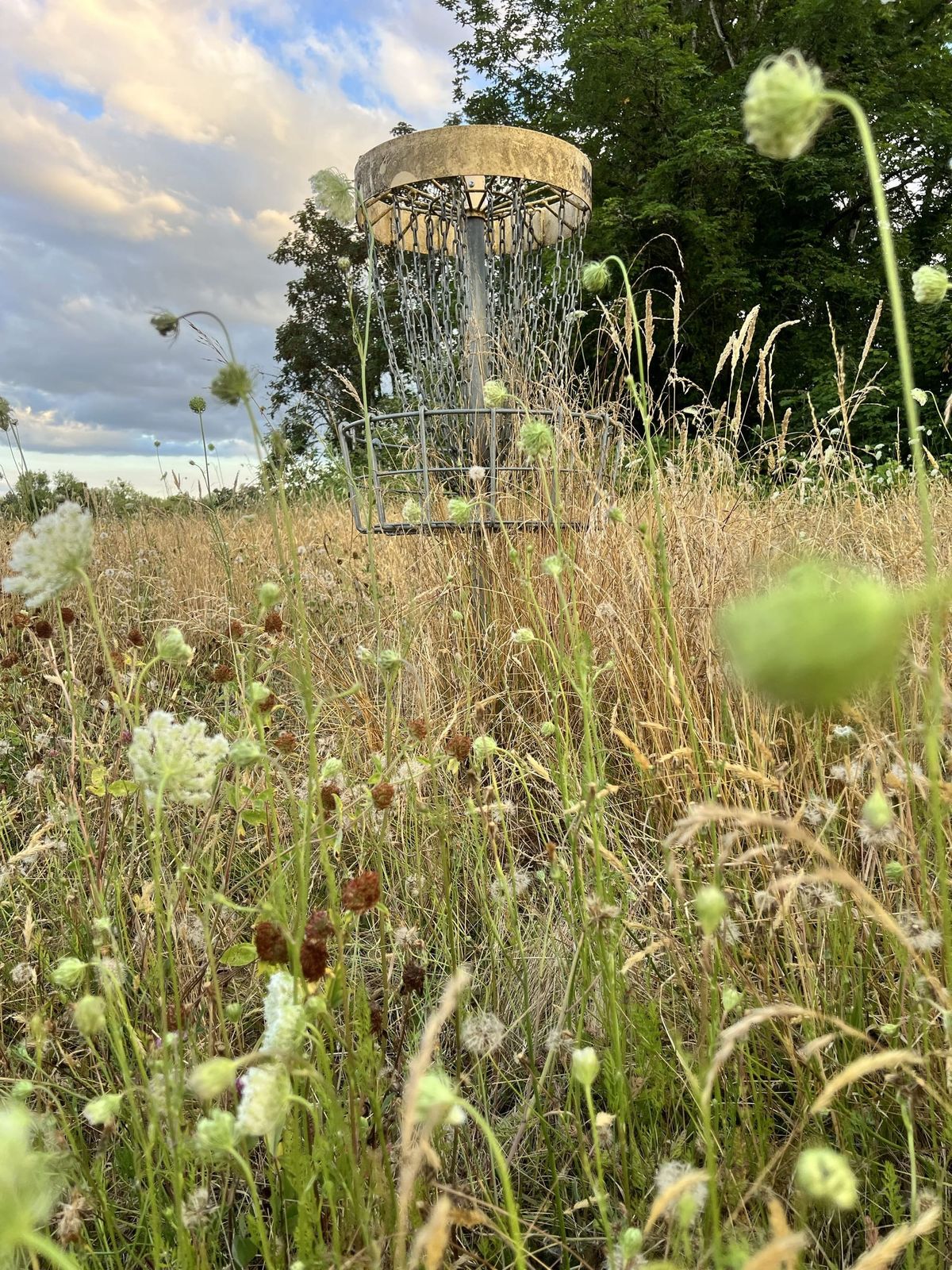
All of these are features that were true in 2012. Fourteen years later, that description no longer reflects reality. The “well-defined fairways and enjoyable greens” are now overgrown to the point that baskets are completely obscured. The “moderately wooded course” is dense enough that attempting to putt, even on the first hole,requires highly skilled and inventive throws to weave a shot through the overhanging branches that obscure the basket. Throwing along one of the largest fairways requires clearing two major hurdles: finding the basket and traipsing through the waist-high grass when the throw goes wrong. Players often require a spotter to keep track of discs that disappear into the tall grass.
Cara Hawkins, Canby resident and administrator for “Friends of Canby Parks Group” on Facebook, has been advocating for something to be done about the state of the course at local parks and recreation meetings. What began as her drive to deal with ivy on trees on the walking path at Eco Park evolved into organizing the local community into larger stewardship efforts for Canby parks as a whole. The disc golf course efforts in particular began with her asking simple questions such as, “why isn’t this maintained?” A seemingly simple question did not have such a straightforward answer. While the course does reside on a Canby park, the course had been maintained for years by volunteers that eventually moved on. Oversight was provided by directors that no longer hold that position. Due to the changing administration, less time was spent on the course in city meetings. The shuffling of officials and the passage of time caused the care of the property and equipment to get lost in the rough along the way.
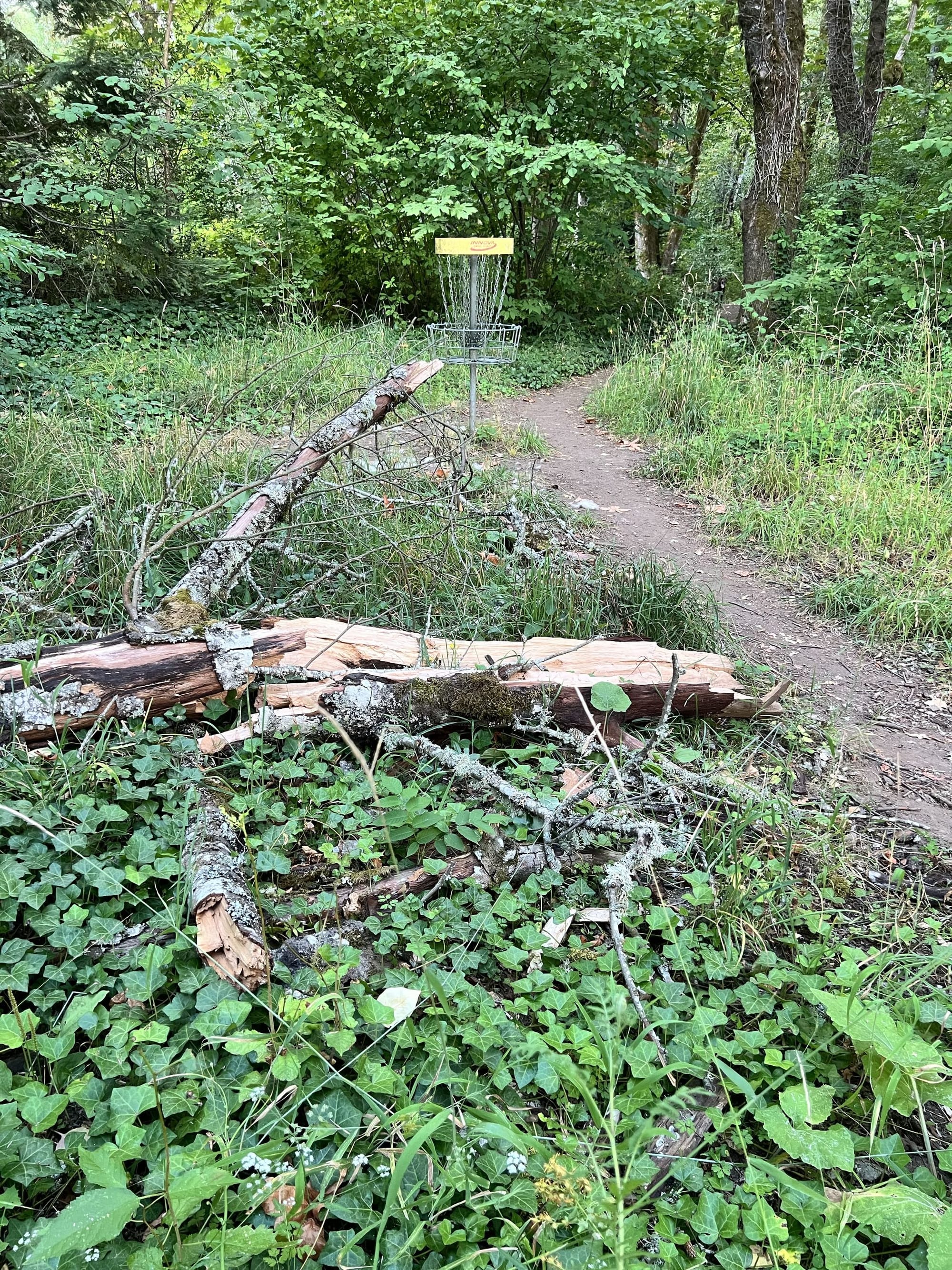
While the course no longer attracts many disc golfers, the equipment remains. Joggers, dog walkers, and cyclists still use the park, and the large metal baskets and platformed tee pads are remnants that serve more as obstacles than amenities for locals. Park-goers were asked if they had seen any disc golf players in the recent past, and no one recalled actually seeing someone using the course for its intended purpose. According to Hawkins, “The city’s concern is that if it isn’t maintained, it could be a hazard if equipment becomes dilapidated enough.”
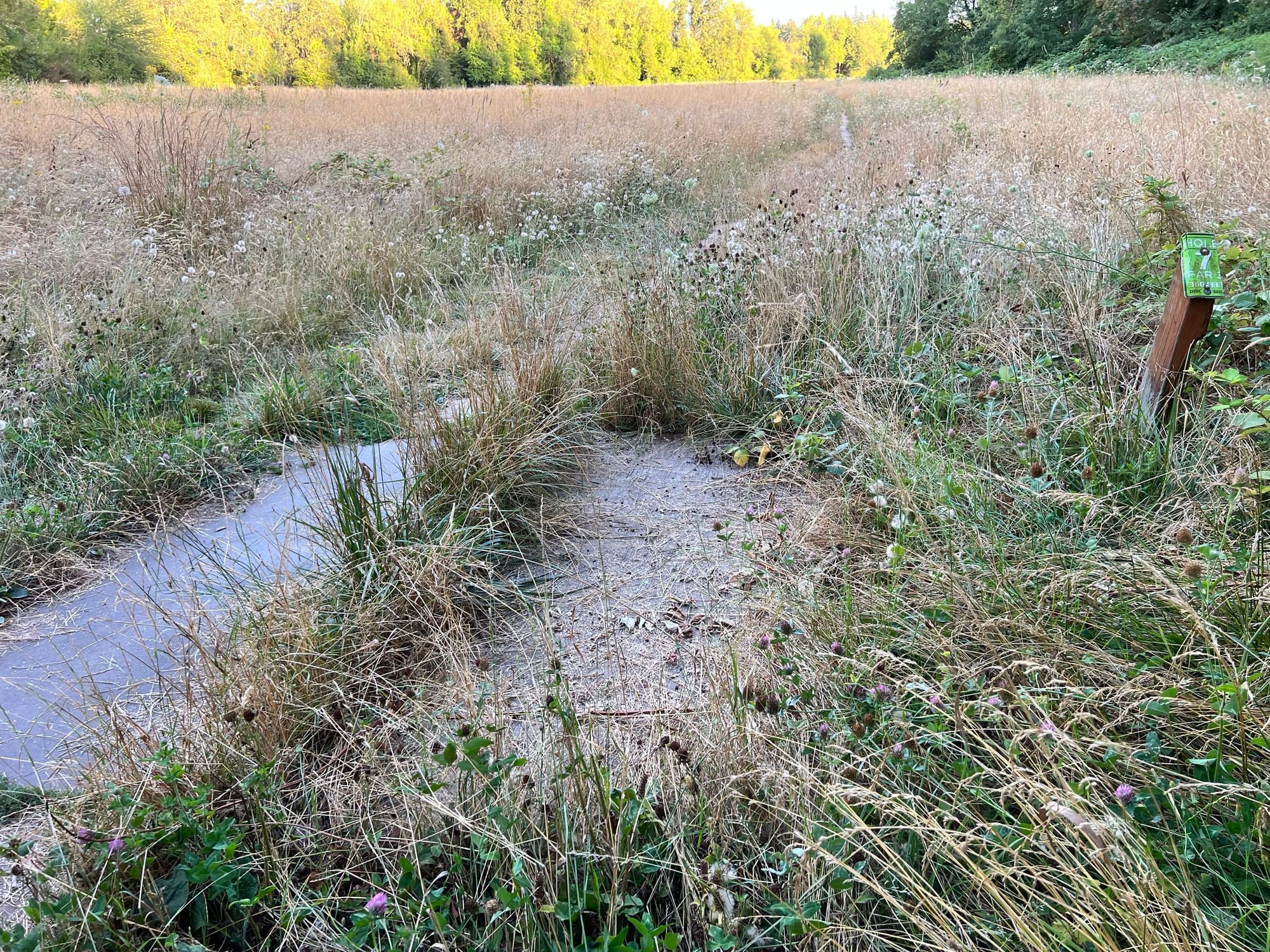
Whether Eco Park again becomes a destination for disc golfers will depend largely on volunteers willing to clear brush, cut down overgrowth on fairways, and rehabilitate the course. Doing so would increase recreational opportunities in Canby and preserve a city investment, and the property could still serve as a natural amenity for residents to enjoy without risk of getting lost in the weeds. For now, interested parties can contact Canby Public Works to obtain the necessary volunteer waiver.